

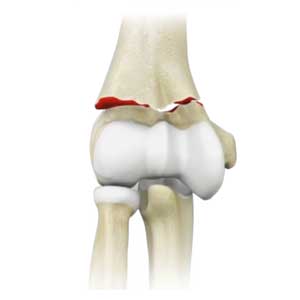
What Is Elbow Trauma?
Elbow trauma refers to any injury that affects the bones, ligaments, tendons, nerves, or soft tissues surrounding the elbow joint. These injuries can range from mild sprains to severe fractures or dislocations. Because the elbow is essential for everyday arm motion—bending, straightening, lifting, and rotating—even minor trauma can significantly impact function and comfort.
What Are the Causes of Elbow Trauma?
Elbow trauma can result from various events, many of which involve sudden force or repetitive strain. Common causes include:
- Falls: Landing on an outstretched arm is one of the most frequent causes of fractures and dislocations.
- Direct Impact: A blow to the elbow during sports or accidents can injure bone and soft tissue.
- Overuse: Repetitive motions, especially in athletes or workers, can lead to tendon and ligament injuries.
- Sports Injuries: High-impact or contact sports increase the risk of elbow trauma.
- Twisting Motions: Sudden rotation or hyperextension can strain ligaments and soft tissues.
What Are the Symptoms of Elbow Trauma?
Symptoms will vary depending on the type and severity of injury, but individuals often experience:
- Pain or Tenderness: Especially with movement or pressure.
- Swelling: Caused by inflammation or internal bleeding.
- Bruising or Discoloration: Often indicating soft-tissue damage.
- Limited Range of Motion: Difficulty bending or straightening the elbow.
- Instability or Deformity: Seen in dislocations or significant fractures.
- Numbness or Tingling: Suggesting nerve involvement.
How Is Elbow Trauma Diagnosed?
Diagnosis typically begins with a detailed physical examination and medical history. Imaging studies such as X-rays, MRI, or ultrasound may be ordered to identify fractures, soft-tissue injuries, nerve involvement, or joint instability.
What Are the Treatment Options for Elbow Trauma?
Treatment depends on the injury type and severity. Options may include rest, ice, compression, elevation (RICE), immobilization with a brace or sling, anti-inflammatory medications, physical therapy, and in severe cases, surgical repair to restore joint stability and function.
If you would like to have additional information on the treatment or would like to learn more about Elbow Trauma , please contact Dr. Dillon, serving the communities of Indiana.